


When I was very young, maybe 5 years old, I enlisted in one of the great pastimes of American childhood: the town soccer league.
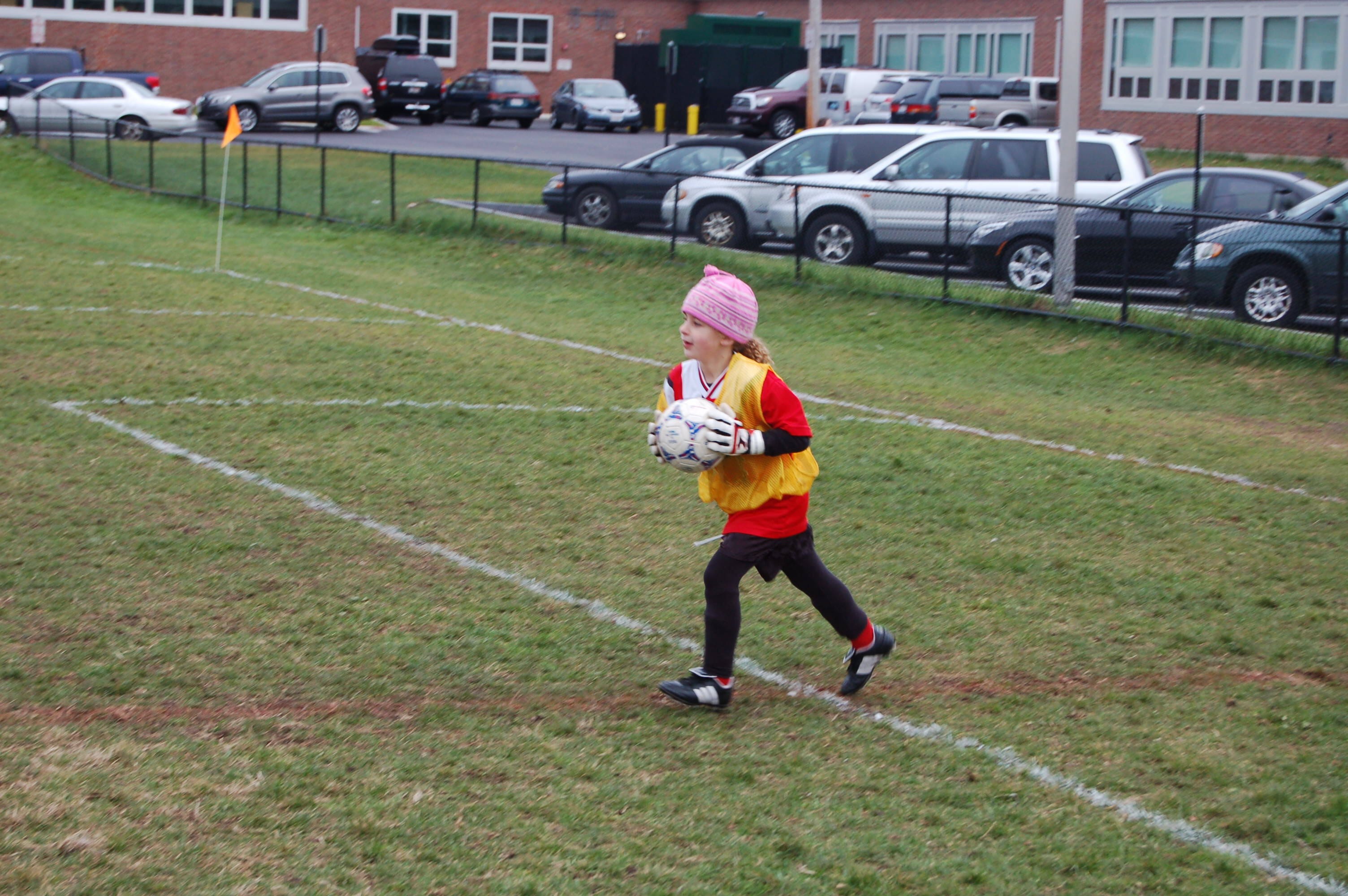
Twice a week—once for practice, once for a game—my parents shuttled me to the small field behind our elementary school, dropped me off wearing a jersey and hand-me-down cleats, and watched me scamper toward the other girls, while the coach (usually somebody’s dad) fruitlessly attempted to corral us into formation.
The games lasted an hour or so. Parents lined the sidelines in folding chairs, displaying varying levels of engagement: Some followed every touch and shouted instructions, as though hapless 5-year-olds understood what a “through ball” was; most of the others made small talk, occasionally flitting their eyes toward the field.
At halftime, we enjoyed orange slices. After the final whistle, if we were lucky, an indulgent parent emerged with a cooler full of freeze pops.
And so it went, year after year. Our skills improved—though not by much. Practices multiplied, games lengthened, and the freeze pops went away (though the orange slices remained). Gradually, season by season, more and more kids dropped out. By high school, only the truly dedicated players were left; I myself made it only through freshman year.
If you’re an American who grew up in the suburbs, this probably sounds familiar. Suburb culture revolves around soccer: weekends at the fields, friend groups shaped by whichever team you happened to be assigned. The reality is that soccer, played by almost a quarter of American children who participate in sports, is among the most popular youth games in the country.
Which is why I’m dismayed by the lack of enthusiasm for this year’s World Cup, which begins on Thursday and is being hosted right here on North American soil—in the United States, Mexico, and Canada. Fifty-four percent of Americans have already deemed themselves “not at all interested” in the World Cup, while 59 percent say they probably won’t watch a single match.
