
The Free Press
Shop America at 250 Merch
ForumNewslettersSign InSubscribe
The Parents Who Let Their Daughter Die
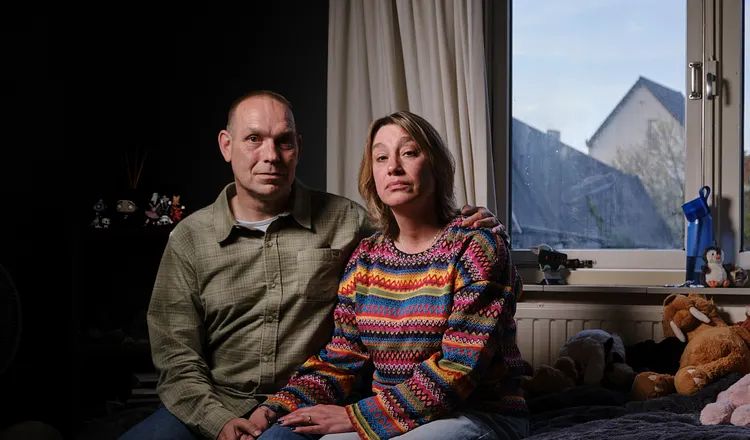
Omar and Cissy Dekker, whose 19-year-old daughter, Iris, chose to end her life after years of psychiatric illness. (Omri Roden for The Free Press)
‘I don’t want my little girl to die,’ Cissy Dekker said about her 19-year-old daughter, Iris. ‘But out of love, I also don’t want this life for her.’
By Rupa Subramanya
05.27.26 — Health and Self-Improvement
No description available.
--:--
--:--
Upgrade to Listen
Produced by ElevenLabs using AI narration
328
67
READ IN APP

For three years at their home in the historic town of Bergen op Zoom in the Netherlands, Omar and Cissy Dekker began each day the same way: waking their teenage daughter, Iris, lifting her out of bed, and trying to coax her into a life she no longer wanted.

When Cissy, a former forensic nurse, asked Iris what else she could do for her before leaving for work, the answer never changed: “Can you put a pillow over my head so I can die? Please make my suffering stop.”

Depression was not new to the Dekkers. Omar has a history of it, as do other members of his family. But Iris’s was different. Her symptoms were psychological and physical—a condition called functional neurological disorder, associated with severe psychological distress and depression. It often presents with symptoms like paralysis, seizures, and chronic pain, and was once referred to in medical psychology as hysteria. Iris had spent more than two years in a wheelchair after a seizure left her unable to walk.

Cissy described the look in her daughter’s eyes as “empty,” and her father called it a “black hole of depression.”

The symptoms began early in Iris’s adolescence. In 2019, at the age of 13, she began complaining of constant pain in her back, head, and stomach. At first, she pushed through it at school, during shifts at a bakery, while babysitting, and playing tennis, relying on a combination of painkillers and antidepressants, counseling at school, and cognitive behavioral therapy.

Continue Reading The Free Press
To support our journalism, and unlock all of our investigative stories and provocative commentary about the world as it actually is, subscribe below.
Annual
$8.33/month
Billed as $100 yearly
Save $20!
Monthly
$10/month
Billed as $10 monthly
Already have an account?
Sign In
To read this article, sign in or subscribe
Rupa Subramanya
Rupa Subramanya is a writer for The Free Press. She lives in Ottawa, Canada.
Tags:
Psychology
Mental Health
Assisted Suicide
Comments
Comments are closed. The conversation isn’t. Keep it going in The Free Press Forum.
Join the conversation
Share your thoughts and connect with other readers by becoming a paid subscriber!
Already a paid subscriber? Sign in

No posts

For Free People.
LatestSearchAboutCareersForumShopPodcastsVideoEvents
Download the app
Download on the Google Play Store
©2026 The Free Press. All Rights Reserved.Powered by Substack.
Privacy∙Terms∙Collection notice