The Free Press
Shop our new merch!
NewslettersSign InSubscribe
The Men Who Bankrolled America
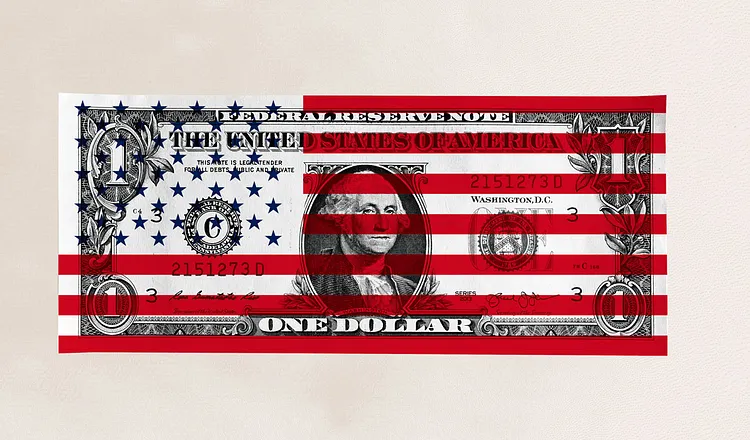
Robert Morris and George F. Baker built the financial architecture of a nation. History has largely ignored their deeds. (Illustration by The Free Press)
As America turns 250, two founding funders deserve a place alongside the statesmen and generals.
By James Grant
04.15.26
--:--
--:--
Upgrade to Listen
5 mins
Produced by ElevenLabs using AI narration
34
87

America’s semiquincentennial would be a sad and grudging affair without a nod to the nation’s founding capitalists. Robert Morris, the “Financier of the Revolution,” donated his own fortune to supply the raggedy and underpaid armies of George Washington. George F. Baker sold the bonds that raised the money that equipped the Union side in the Civil War. Along with the statesmen and the generals and the keepers of the home fires, the moneybags deserve their day in the sun, too.

Morris and Baker were rich, bold, indomitable, enterprising, self-made, proficient, cool in a crisis, and incapable of despair. Each was an unshakable optimist on the American future. “While you may make many mistakes,” J.P. Morgan’s father advised his son, “never be a bear on your country or you will surely go broke.” Baker, who heard the story directly from the younger Morgan, was always a bull, too. Morris, who died in 1806, seven years before the birth of the elder Morgan, was no less an optimist. Indeed, Morris’s heavily encumbered purchases of millions of acres of American wilderness in the 1790s ultimately cost him his fortune.

Historians have thought the less of Morris for dying broke, but the financier was a nonpareil, rich or poor: successful merchant and ship owner; early opponent of overbearing British colonial rule; tireless advocate of American independence; logistical, commercial, and maritime genius of the Second Continental Congress. “For three critical months in the winter of 1777,” wrote his biographer, Charles Rappleye, “when Congress fled Philadelphia for the relative safety of Baltimore, Morris ran the operations of the American government virtually single-handed.”

The one-man government retired from the Continental Congress in 1778, but in 1781 he became the Superintendent of Finance—in effect, the secretary of the treasury of the revolutionary government, though of treasure the infant nation had none. Lacking the power to tax, the national government could only appeal. Morris begged and requisitioned the states but to no avail; Massachusetts, Rhode Island, and Maryland proving especially recalcitrant. He therefore improvised. He hired an engraver, procured copper plates, and printed his own currency—“Morris notes”—which, in testament to their originator’s good name, passed for money in the rebellious colonies. “My personal credit, which thank Heaven I have preserved through all the tempests of the War,” the superintendent advised a friend, “has been substituted for that which the Country has lost. I am now striving to transfer that Credit to the Public.”

To fill the credit void, Morris also founded the Bank of North America, the nation’s first commercial bank. His creation would take deposits, including the government’s. It would lend to the government and private business alike. Its officers would receive no remuneration except that which the stockholders voted them (the offices in Morris’s bank would be those of honor, not profit). As for the currency of the Bank of North America, a citizen could take it or leave it. Morris was as dead set against legal tender laws (which compel a creditor to accept the government’s money in payment of a debt) as he was against price controls. As he wrote to John Jay on July 13, 1781, he envisioned a bank “to unite the several states more closely together in one general money connection and indissolubly to attach many powerful individuals to the cause of their country by the strong principle of self-love and the immediate sense of private interest.” The bank, its founder expected, would become a permanent “Pillar of American Credit.”

Start Your Free Trial to Unlock This Story
Support our journalism and unlock all of our investigative stories and provocative commentary about the world as it actually is. Get your first 7 days free.
Annual
$8.33/month
Billed as $100 yearly
Save $20!
Monthly
$10/month
Billed as $10 monthly
Already have an account?
Sign In
To read this article, sign in or start your free trial
James Grant
James Grant is the founder and editor of Grant’s Interest Rate Observer. His most recent book is Friends Until the End: Edmund Burke and Charles Fox in the Age of Revolution (W.W. Norton).
Tags:
Finance
Money
History
Taxes
Comments
Join the conversation
Share your thoughts and connect with other readers by becoming a paid subscriber!
Already a paid subscriber? Sign in

No posts

For Free People.
LatestSearchAboutCareersShopPodcastsVideoEvents
Download the app
Download on the Google Play Store
©2026 The Free Press. All Rights Reserved.Powered by Substack.
Privacy∙Terms∙Collection notice