


Hey kids! Suzy’s on a no-phone retreat this week, so I’m taking over Second Thought—hunched over my laptop, or lying flat on my back with it perched on my stomach like a seagull on a whale. In keeping with this week’s collective 2016 nostalgia, I want to start by revisiting the adorable social media app we almost forgot about. Like any baby animal of any species, it was irresistible at first. And then life engaged with it, it engaged with life, and the innocence drained out fast. Hope you enjoy!

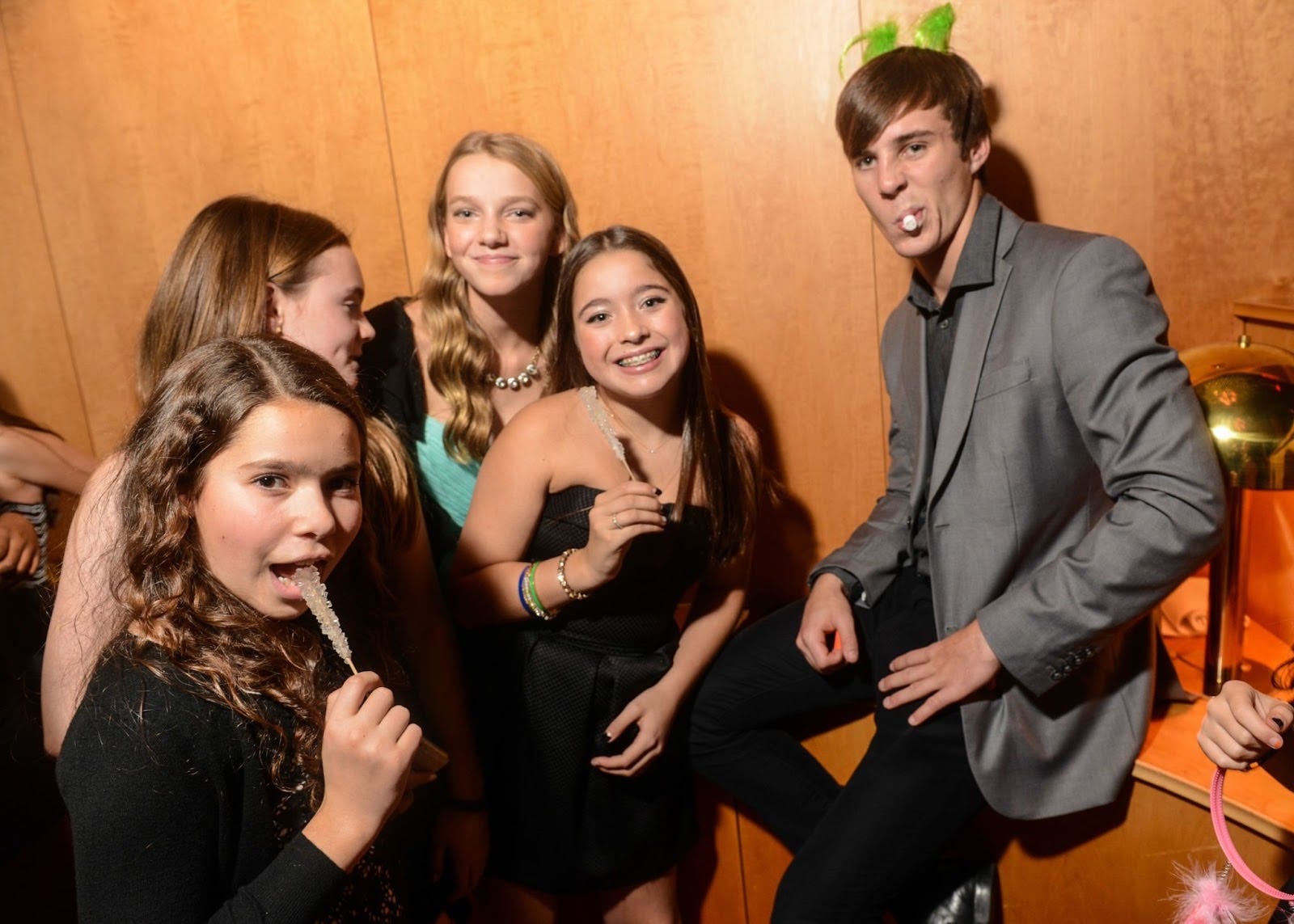
When I was 13 my family hired a “manny” named Marcus Johns from Tallahassee, Florida. He was in his late teens, and he was more than a babysitter; he was an entertainer, singer, dancer, game inventor, video editor, freestyle rapper, and drummer, a grown-up kid with an outsize personality and cartoonish lifeguard six-pack. At my bat mitzvah he was the star of the show as my friends swarmed around him. But I didn’t mind, as I was, obviously, infatuated.
One afternoon my mom showed us a new social media app she’d heard about. It was called Vine, built on six-second looping videos—created, consumed, and “revined” (reposted.)
When the app was launched in 2012, the time constraint felt oddly specific, like Twitter’s original 140-character limit. But users found their footing, embraced the parameter, and started to break through. A driver passes a sign and says, “Road work ahead? Uh. . .yeah, I sure hope it does!” A little girl with a lisp stands in a field of geese and marvels, “Look at all those chickens.” A Frenchman asks the camera, “Why is everybody afraid of love?” then screams “Love!” at a woman shopping for groceries. A boy in a choir uses a helium balloon to reach a high note. Suddenly, the limitation wasn’t a bug. It was a revelation. Turns out, six seconds is plenty.
