


“In 1776, the statue of King George in Bowling Green was toppled, beheaded, and melted into bullets for the Continental Army,” said Rachel Stewart, 32, sipping a White Claw on a stoop. “And we will do the same thing to the Flock cameras if we need to.”
It’s Friday night in downtown Troy, New York—a historic city of about 50,000 located just seven miles from Albany, the state capital. I’m sitting with a group of young, friendly, middle-class liberals who are fighting Flock Safety, a private technology company that has spent the last nine years setting up more than 100,000 cameras across the country that read license plates.
“Do you know how to make bullets, Rachel?” someone asked.
“Yeah, I can make bullets,” said Stewart, who is a Revolutionary War reenactor. “I can fire any musket or rifle from the years 1775 to 1865.”
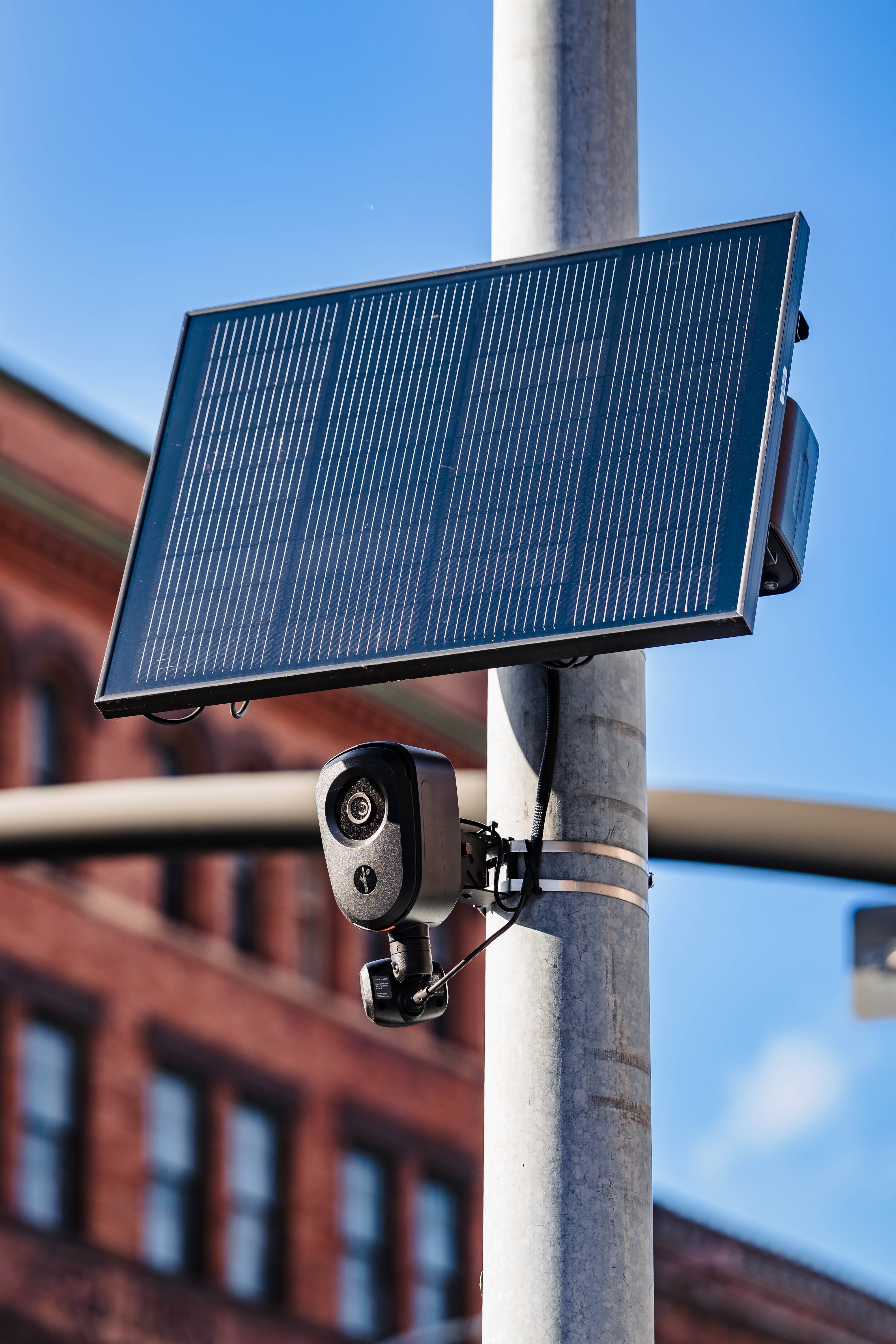
Over the last several months, Flock has come under fire for turning communities into surveillance states. Last year, Flock’s national search tool was used by a Texas sheriff’s department to track down a woman who’d self-administered an abortion. Critics complain that Immigration and Customs Enforcement (ICE) and Customs and Border Protection (CBP) are able to access Flock data via local police departments in order to track down potential deportees. And when Flock detects a license plate on a car that has been reported as stolen, it automatically dispatches police to pull over the car. Data entry errors have caused numerous people to be stopped by armed police and accused of stealing their own vehicles—including a 76-year-old grandmother in Colorado who was stopped multiple times and had to contact a local TV news station in order to get the problem fixed.
