


Say “Baltimore,” and people think of crime. Shows like The Wire and Homicide: Life on the Street depicted the city as gritty, gun-ridden, and plagued by gang violence. These fictional representations weren’t far off what statistics show about the city’s reality. Since the turn of the millennium, young black men have been three to four times more likely to die by homicide in Baltimore than in the nation as a whole.
And as violent as it already was, things got worse a decade ago. The 2015 riots, in response to the death of 25-year-old Freddie Gray in police custody, inaugurated a retreat in Baltimore policing and a multiyear surge in street violence. In 2020, amid a national increase in killings, the Charm City saw homicide rates about eight times higher than the national average.
Then, in late 2022, Baltimore’s fortunes turned. Starting sometime late in the calendar year, murder rates started plummeting. The city reported 333 murders that year. Last year, after three years of steady decline, there were just 133 murders in the whole city—a more than 60 percent drop. That’s the fewest murders Baltimore has seen since 1965.
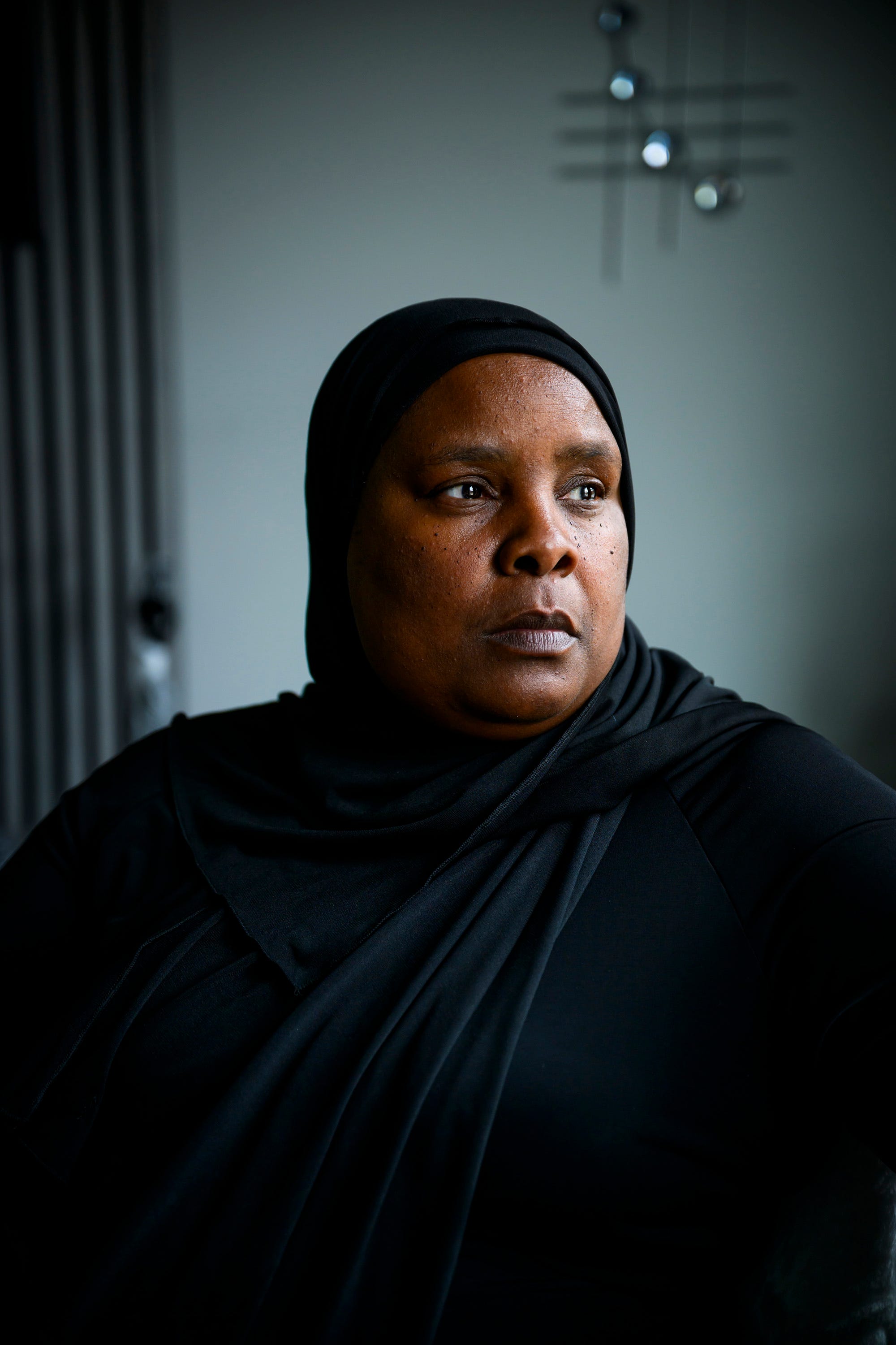
“It was shootings every day, every night,” said Kin Brown-Lane, a lifelong resident of Cherry Hill, one of the city’s most dangerous neighborhoods, about the situation prior to 2022. “People didn’t have their kids outside to play, because you just never knew what was going to jump off out here.”
