


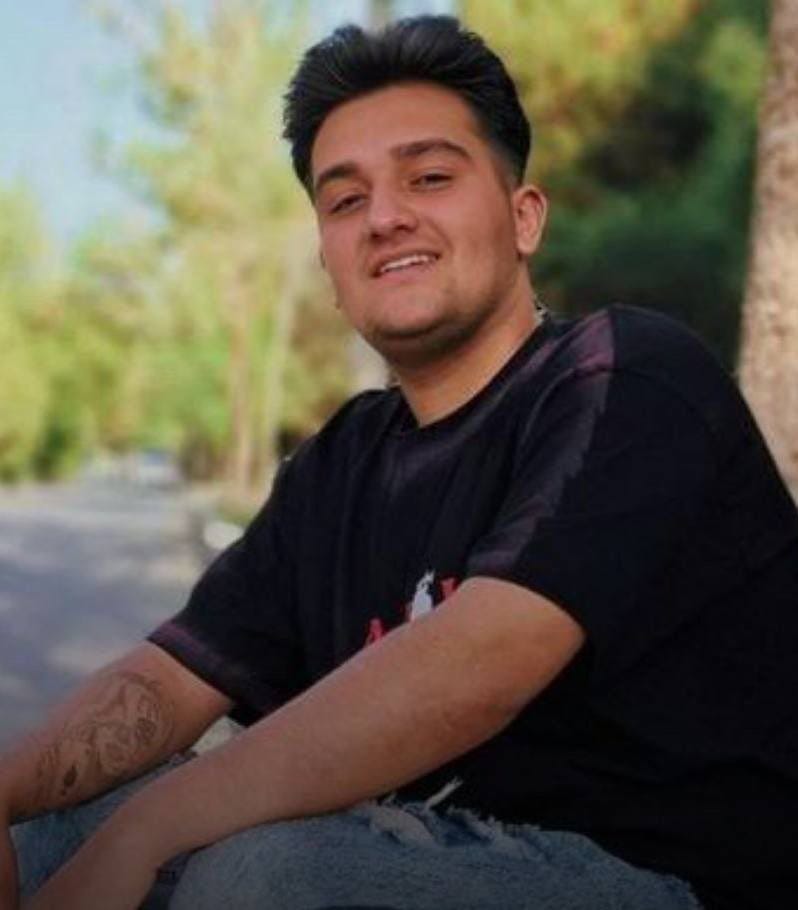
Yesterday, I woke up to a message that broke my heart. Erfan Esfandiari had been hanged. He was 18 years old, and his parents’ only child. His crime, according to reports circulated by Iranian journalists and human rights activists, was opening a door. Specifically, he opened his door to let terrified protesters in as they ran from security forces during the January 2026 uprising against the Iranian regime.
That act of compassion was enough to send him to the gallows.
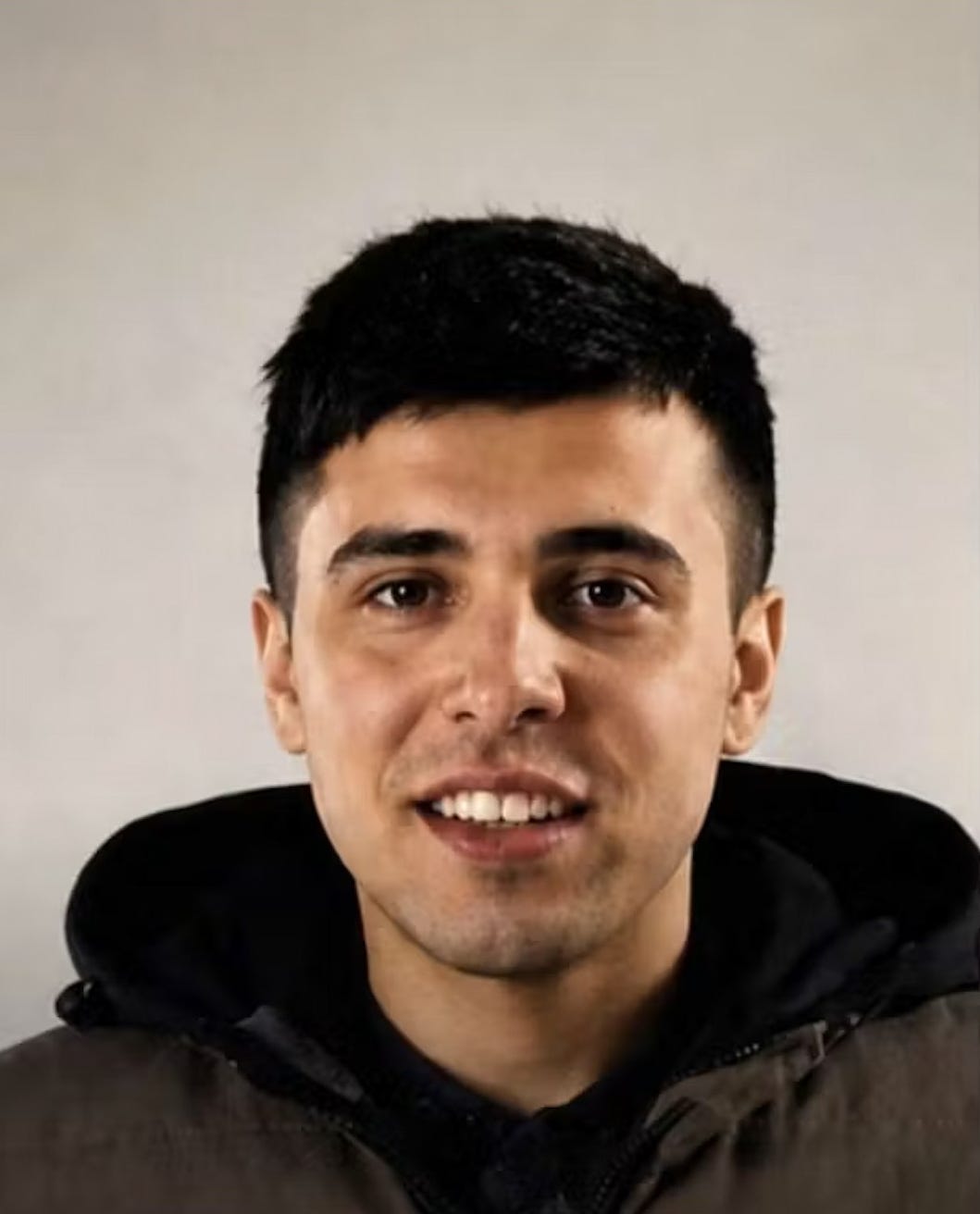
On that same Sunday morning, the regime hanged Gol-Mohammad Mohammadi, a 23-year-old Afghan refugee who had fled to Iran seeking safety. His crime, according to those same reports, was identical: He opened his door for protesters fleeing bullets. He was arrested, thrown into a show trial, and forced to endure three hearings, each lasting one hour. There was no independent lawyer.
Erfan and Gol-Mohammad were two of 59 men arrested together during the January uprising, in what has since become known as the Alikhani Square case. The two of them, alongside 10 others, were sentenced to death. Last week, all 12 were moved to quarantine. That is the signal: For the 10 still alive, execution is likely imminent.
On Sunday, the chess champion Garry Kasparov posted a comment on X about the executions. “How tragic that these executions became the norm in Iran and accepted as such by the Free World,” he wrote.
He’s right. The world is not paying enough attention. While diplomats negotiate, bombs fall, and flimsy ceasefire agreements are signed, the Islamic Republic of Iran has been running a quiet, systematic execution campaign against the young people who dared to stand up for their freedom. And they are using the world’s distraction as cover.

During the war, President Donald Trump publicly urged the Islamic Republic’s leaders to stop executing protesters. He even said they promised they would. But we Iranians knew better. We knew that the regime was only buying time to turn mass arrests into mass executions. That is exactly what has happened.
